


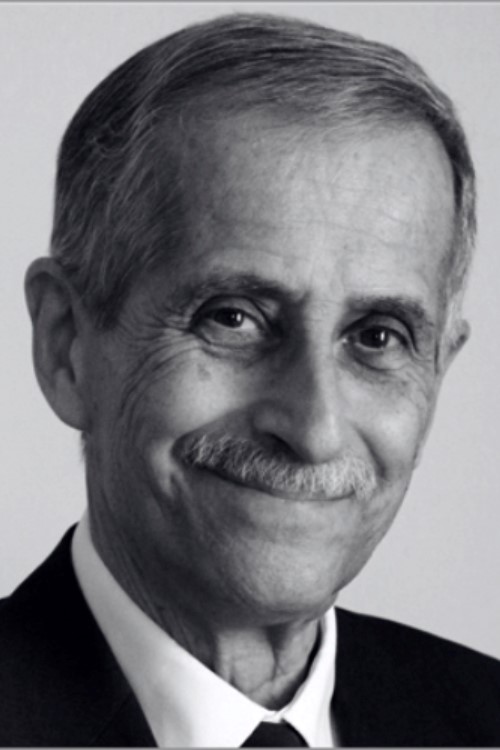
Kristóf Kovács graduated as a chemical engineer in 1972 from the University of Chemical Industry in Veszprém and was employed by the University of Pannonia. In 1974 he received his doctorate, in 1994 his PhD in chemistry, and in 1995 he was appointed associate professor at the University. He later became Director of the Institute of Materials Engineering. After his retirement he continued to be actively involved in teaching and research and development.
He was an internationally renowned expert in imaging techniques (microscopy, electron microscopy, computed tomography, computer image processing), with particular expertise in the correlation between the structure and properties of technical ceramics, the utilisation of glass and electronic waste, and the development of functional material systems for alternative energy sources. In addition to his mother tongue, he also spoke English, Russian and German.
He was a member of the Veszprém County Chamber of Engineers, the Hungarian Society for Microscopy, the European Microscopy Society and the Society for Materials Science. Throughout his career, he worked continuously – for many years as Head of External Relations of the University – to strengthen the links between the University and its city, Veszprém and the region, with particular emphasis on the promotion of the scientific results of the University, the exploitation of scientific results and the promotion of the engineering profession. His city honoured him this spring the Pro Urbe medal of Veszprém.
We, the members of the Hungarian Microscopy Society (HSM), remember him as an outstanding member of our society. Kristóf succeeded Professor Pál Röhlich as President of the then Hungarian Electron Microscopy Society between 1994 and 2002. Besides to being the organizer of the annual national conferences in Balatonalmádi, he was one of the initiators of the Multinational Congress on Microscopy (MCM), a biennial conference series that brings together nine countries from 2015 and promotes collaborations. He was also the chairman of the fourth MCM event, held in Veszprém in 1999.
This alone should be enough for us, the members of the HSM, to remember him with respect and appreciation, even if we did not mention his professional recognition, the fact that he was one of the favourite lecturers at the University of Pannonia, his excellent popular scientific lectures, and that his company (SPI) sponsored even this year’s our conference. Most of these facts will be eventually forgotten in time, but we will remember the always energetic, active, helpful, warm-hearted friend who loved us – and we loved him.